Start with the user outcome
Describe what information the agent should collect from the user, what result it should produce, how that result should look visually, and how the user can later change it through the agent.
Open source · Built for Codex
Agent Foundry Skill Pack turns a founder brief into a native SwiftUI app with a real backend and server-side AI agents. You keep the code, the product decisions, and complete control over the product.
For example: photo → diagnosis → options → confirmed order
Native UI, production-ready backend, agent tools, testing
01 // What Agent Foundry is
AgentFoundry gives Codex a product-building system: tag the Agent Foundry Proof skill and bring the first useful user journey to life. Then keep evolving the product based on evidence, not guesswork.
Describe what information the agent should collect from the user, what result it should produce, how that result should look visually, and how the user can later change it through the agent.
Agent Foundry adds the native interface, authentication, storage, server functions, AI tools, approvals, and failure recovery, so everything works together as one product.
Your repository. Your accounts. Your brand. Your source code. AgentFoundry is a build system—not a platform lock-in.
02 // How it works
Proof turns a founder conversation into the first complete product. Product Evolution learns from real user evidence and prepares the next changes. Sub-skills strengthen the interface, design, domain tools, identity, and proactive behavior wherever they are needed.
AgentFoundry Proof Skill
Start in plain language. Proof turns that conversation into a working user journey, interface, backend, and agent behavior.
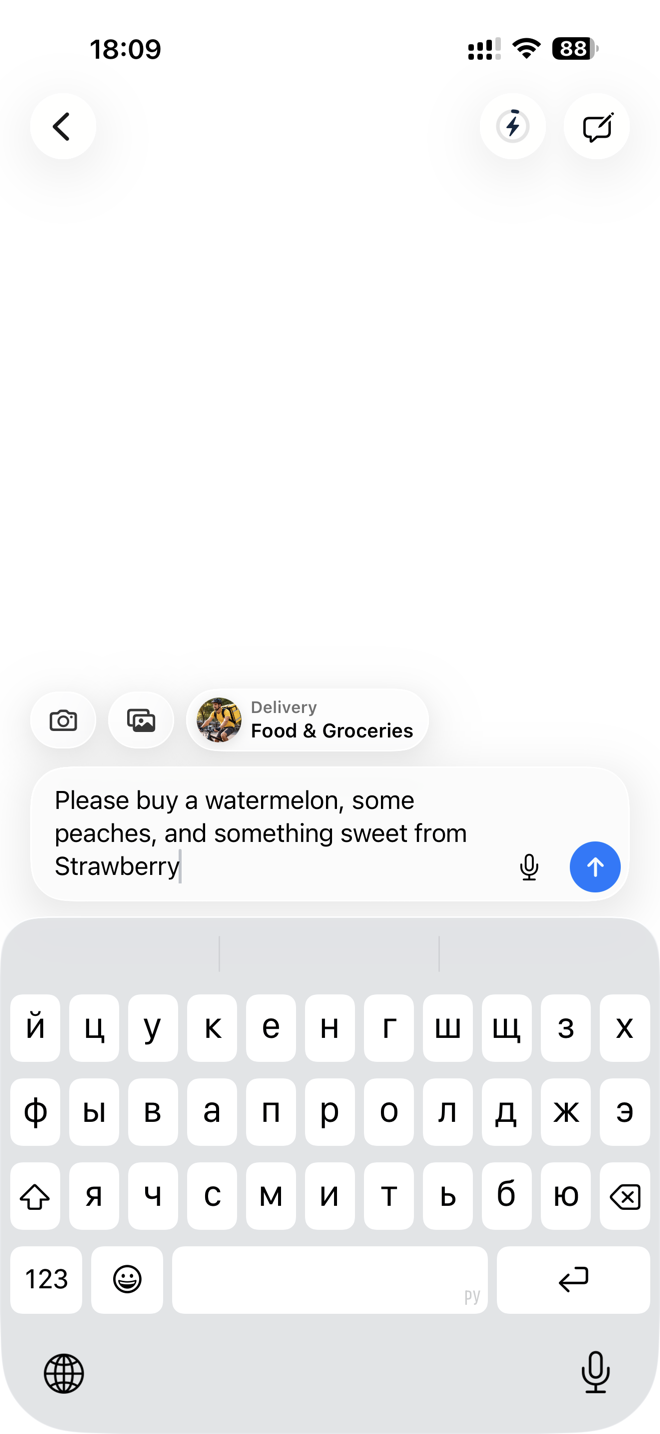
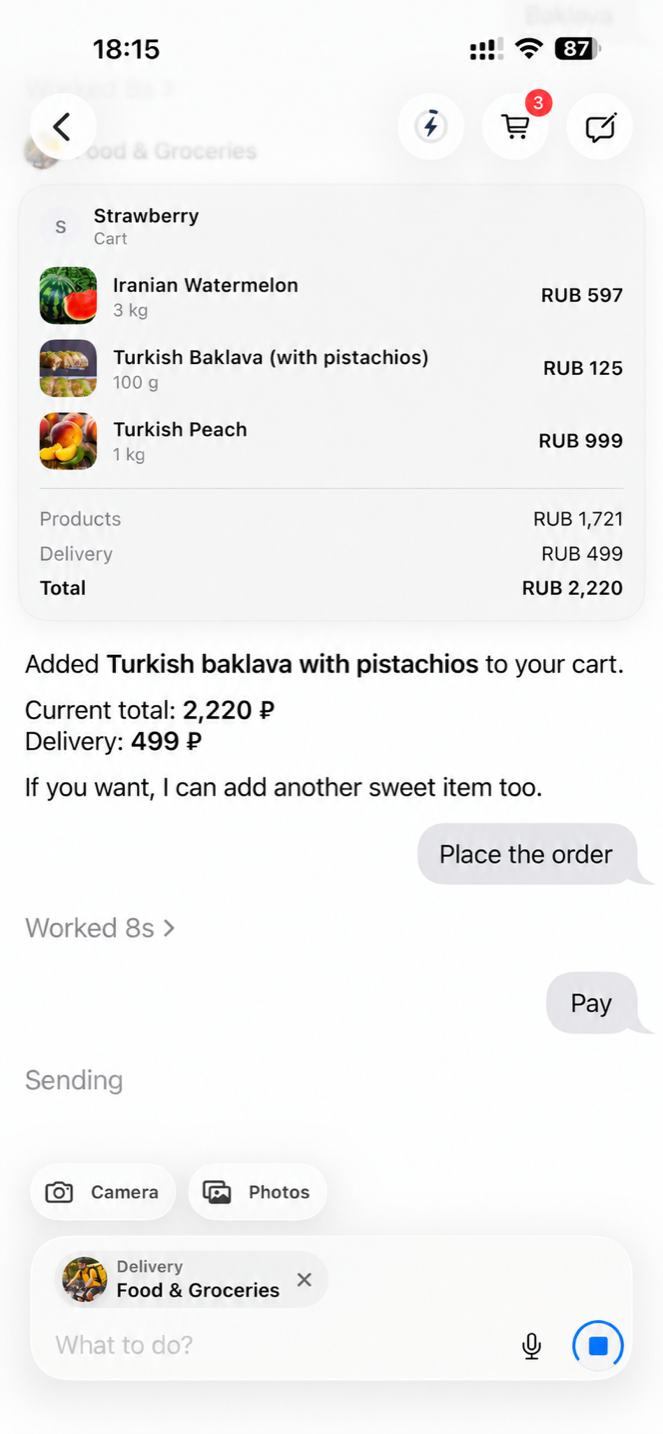
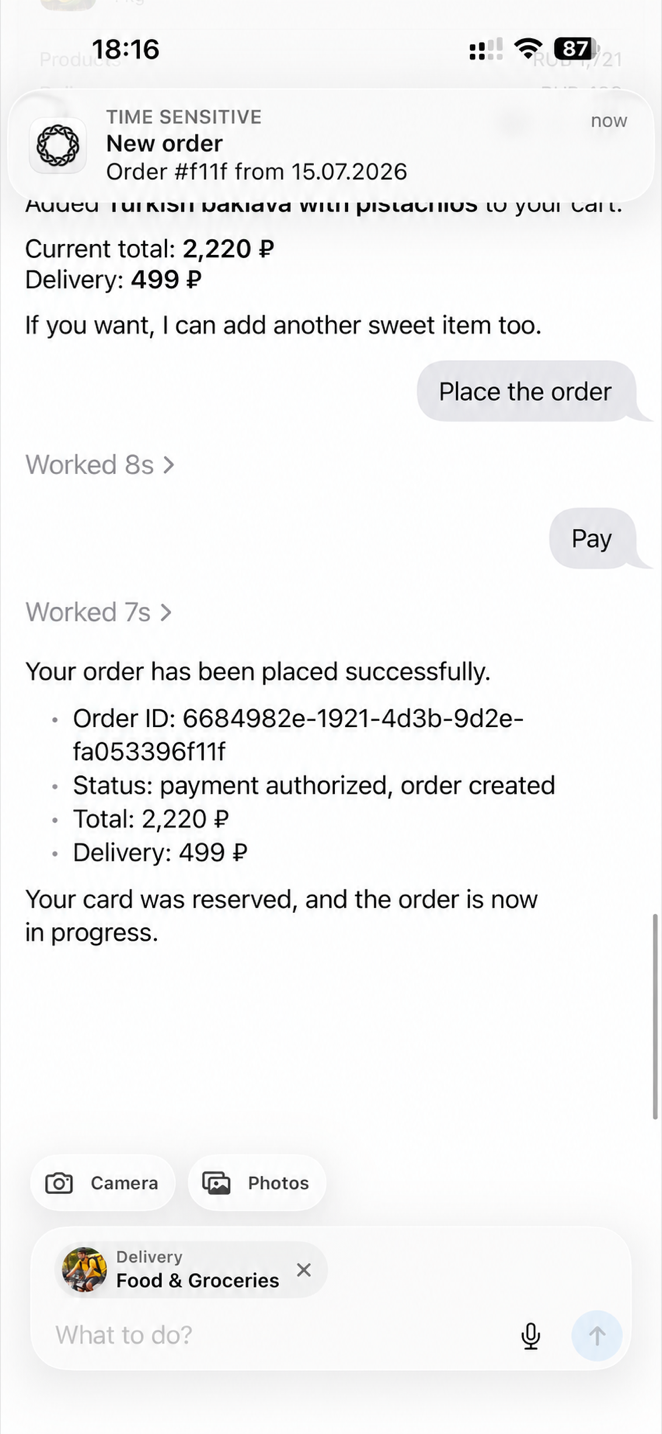
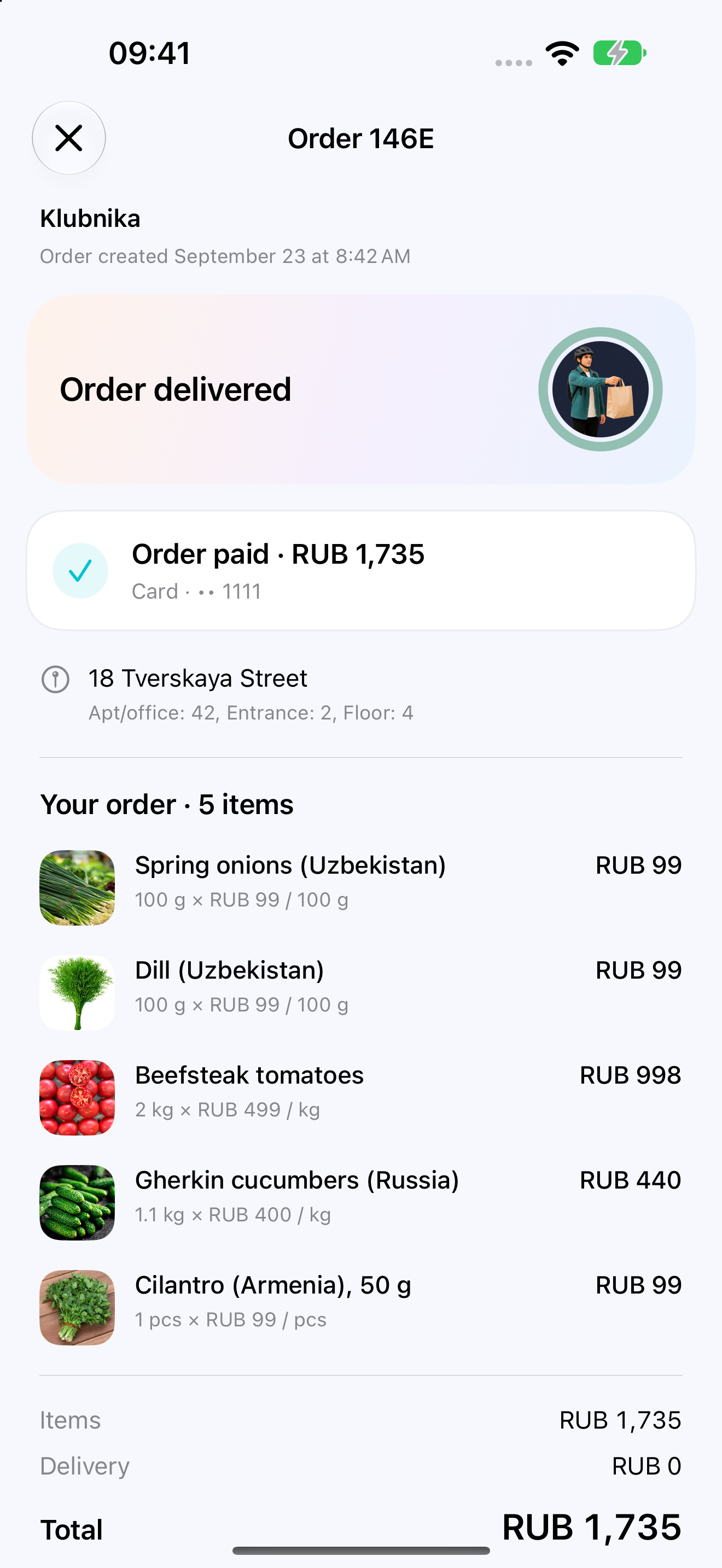
A user says what they want to buy from a store. The agent puts the order together, asks for payment approval, arranges delivery, and sends a push notification confirming that the order was created.
AgentFoundry Product Evolution
Product Evolution analyzes real conversations, turns them into vetted product proposals, waits for approval, and prepares repository changes and a release candidate.
Product design
Apply coherent navigation, hierarchy, accessibility, touch targets, recovery states, and visual QA across the real product journey.
Proactive system
Signals create durable tasks. Policies decide what may run automatically and what must wait for a person.
AgentFoundry Sub-skills
Sub-skills do not split the product into disconnected phases. They strengthen the complete user journey created by Proof and evolved through Product Evolution.
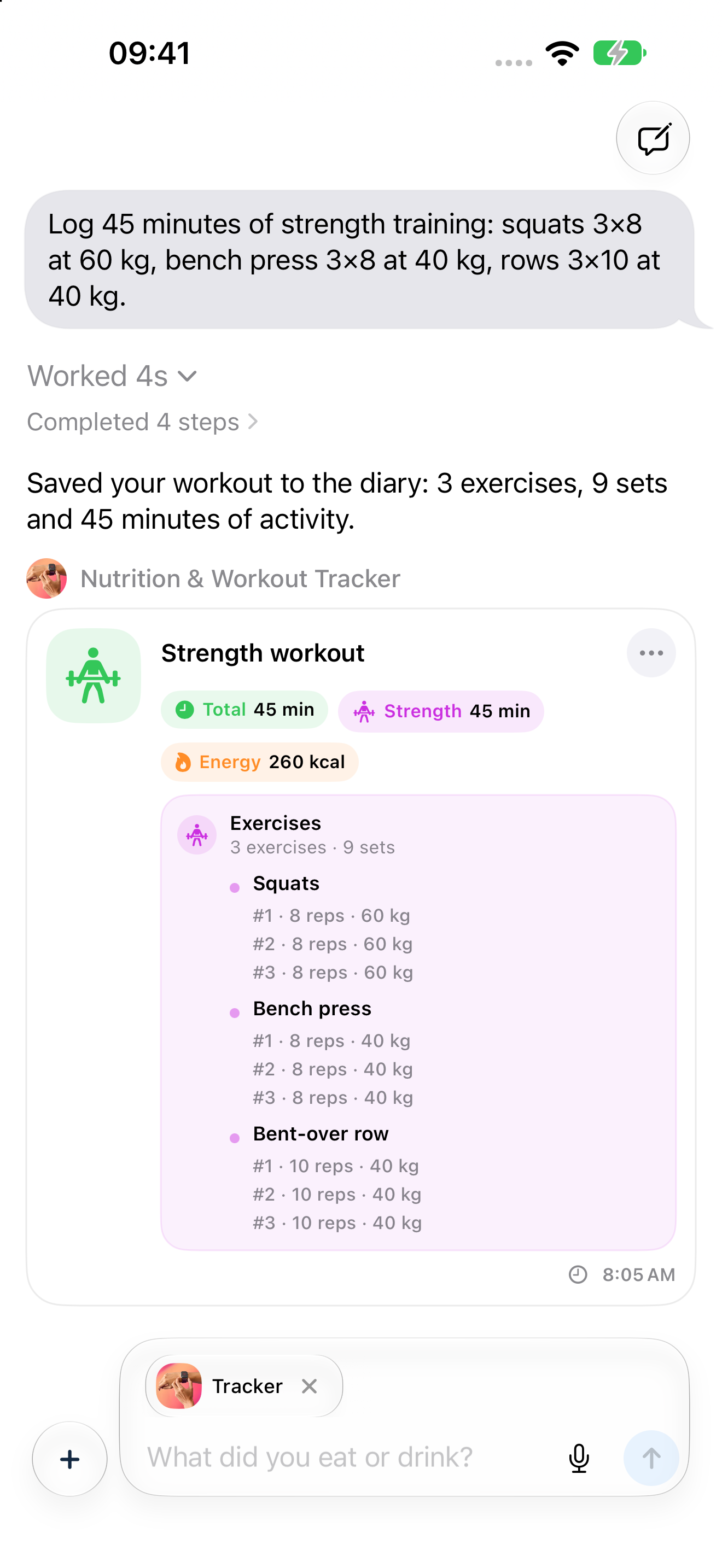
Turn agent output into durable typed records, native cards, detail views, actions, status, and history.
Apply a coherent native design system, accessibility, touch-target checks, and visual QA.
Add watchers, signals, durable tasks, approvals, notifications, retry policy, and an audit trail.
Design, generate, integrate, and verify a distinctive production iOS app icon.
Add owner-scoped records, typed schemas, safe mutations, transactions, and agent tool adapters.
03 // Product proof
These are real, working QChat screens. AgentFoundry provides the patterns behind them—not QChat’s brand or visual style.
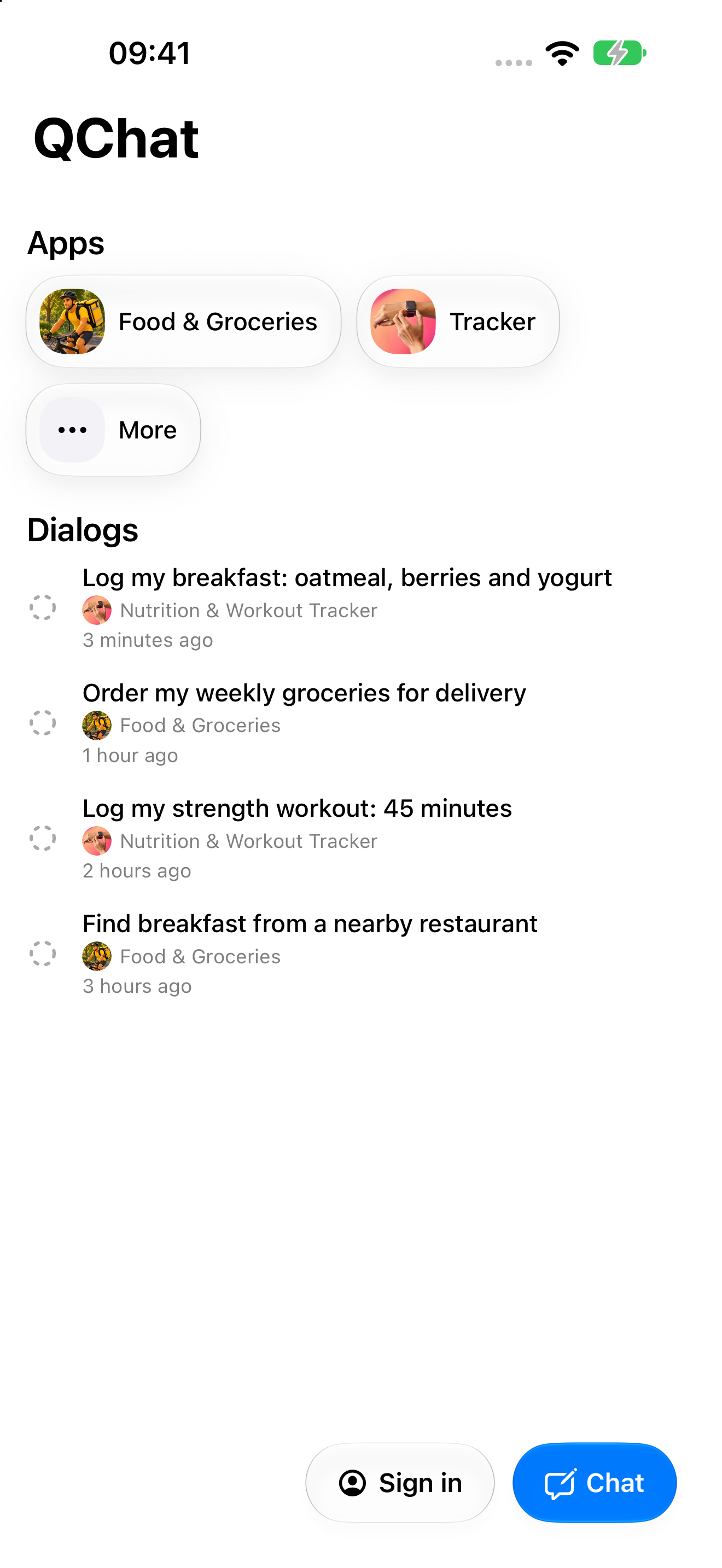
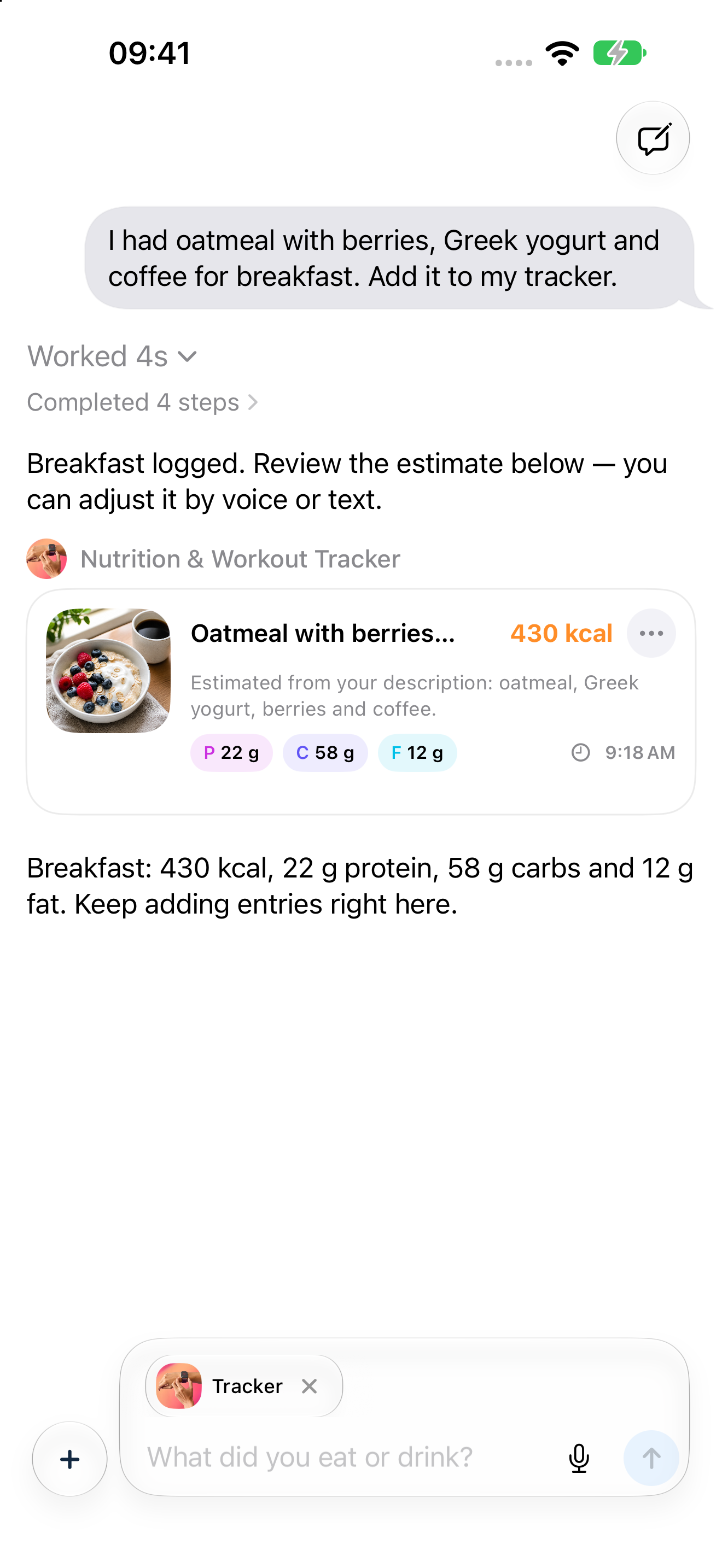
Your product keeps its own visual identity, workflows, accounts, and source code. QChat proves that the system can support real native interfaces.
04 // The skill pack
Use the full sequence for a new product, or install the skill that matches the stage you are in.
Build the first complete SwiftUI journey with a Firebase backend and a server-side AI agent.
Turn agent output into durable native records, cards, details, actions, status, and history.
Refine the real iOS product with native patterns, accessibility, failure states, and visual QA.
Add signals, durable tasks, approvals, notifications, retry policy, and an audit trail.
Turn user evidence into reviewed proposals, verified changes, and release candidates.
AgentFoundry keeps product, engineering, safety, and release decisions connected as the app grows.
04 // Questions
Agent Foundry is an open-source Skill Pack for Codex that turns a product brief into a working AI-native app—with a native interface, backend, AI agents, safety, and testing. You get the source code and product infrastructure in your own accounts and repository, with no platform lock-in.
Codex and a GitHub repository. You’ll need Firebase and OpenAI accounts when you are ready to implement the backend and agents.
Yes. AgentFoundry treats authentication, storage, the database, server functions, model calls, and external actions as part of the product journey.
Yes. You keep the repository, source code, product decisions, infrastructure accounts, and brand. AgentFoundry is licensed under the MIT License.
Yes. Each skill can stand on its own, while the full sequence covers the path from the first proof to continuous product evolution.
05 // Start building
Copy the installation prompt into Codex. Then describe the first end-to-end journey your user should be able to complete.
Use $skill-installer to install AgentFoundry skills from dmitrilosev/AgentFoundry:
skills/agent-foundry-proof
skills/agent-foundry-artifact-ui
skills/agent-foundry-design
skills/agent-foundry-proactive
skills/agent-foundry-product-evolution